
Kiln Dried or Seasoned: What Actually Burns Better
2026-09-03 · Heartwood Tree Management
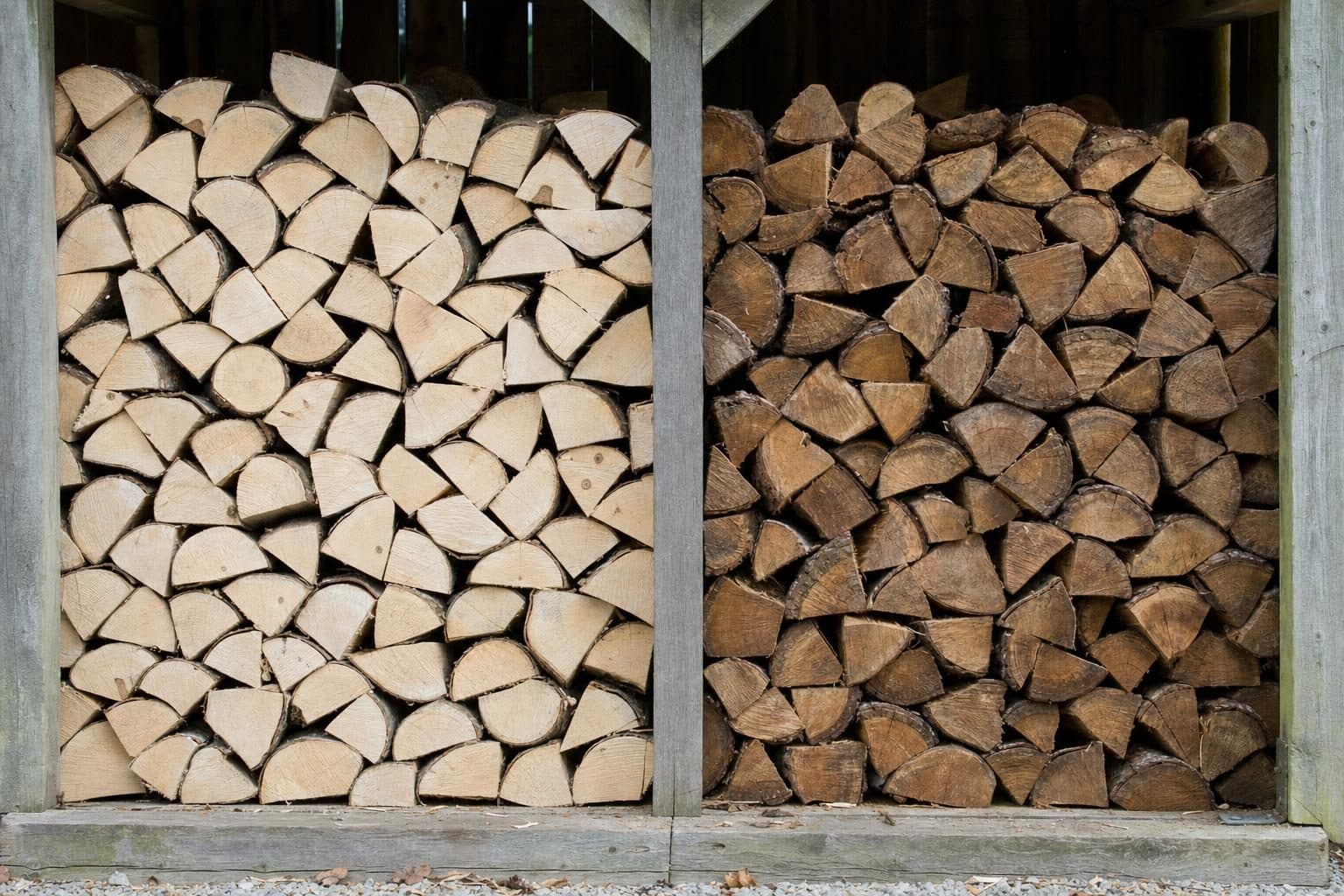
If your stove smokes, blackens its glass and never quite gets going, the wood is almost certainly too wet. It is the single biggest difference between a good fire and a frustrating one.
The number that matters
Moisture content. Wood above about 20% moisture spends its energy boiling off water instead of heating the room. It burns cool, produces far more smoke and particulates, and lays tar down in your flue, which is both a chimney fire risk and a sweeping bill.
Freshly felled hardwood can be 50% or more. Air seasoning under cover for two summers might get it to 20% in a good year. A kiln gets it there reliably, and you can measure it.
What Ready to Burn actually means
It is a government certification scheme. Wood sold in volumes under two cubic metres must be certified below 20% moisture. It is not marketing language, it is a legal standard, and a certified supplier can show you the paperwork.
Ours is kiln dried and checked with a calibrated meter before it leaves the yard. It is a by-product of our own tree work across Dorset, so it is local and traceable rather than imported.
Storing it so it stays dry
- Off the ground, on pallets or bearers.
- Covered on top, open at the sides. Wrapping a stack in plastic traps moisture and undoes the drying.
- Somewhere the wind can get through. Air movement matters more than sunshine.
- Bring a few days worth indoors before burning.
Order in late summer rather than October. Kiln capacity books out as soon as it turns cold, and standing order customers get first call on loads.