
Japanese Knotweed and Invasive Species: What Dorset Landowners Must Know
2026-08-26 · Heartwood Tree Management
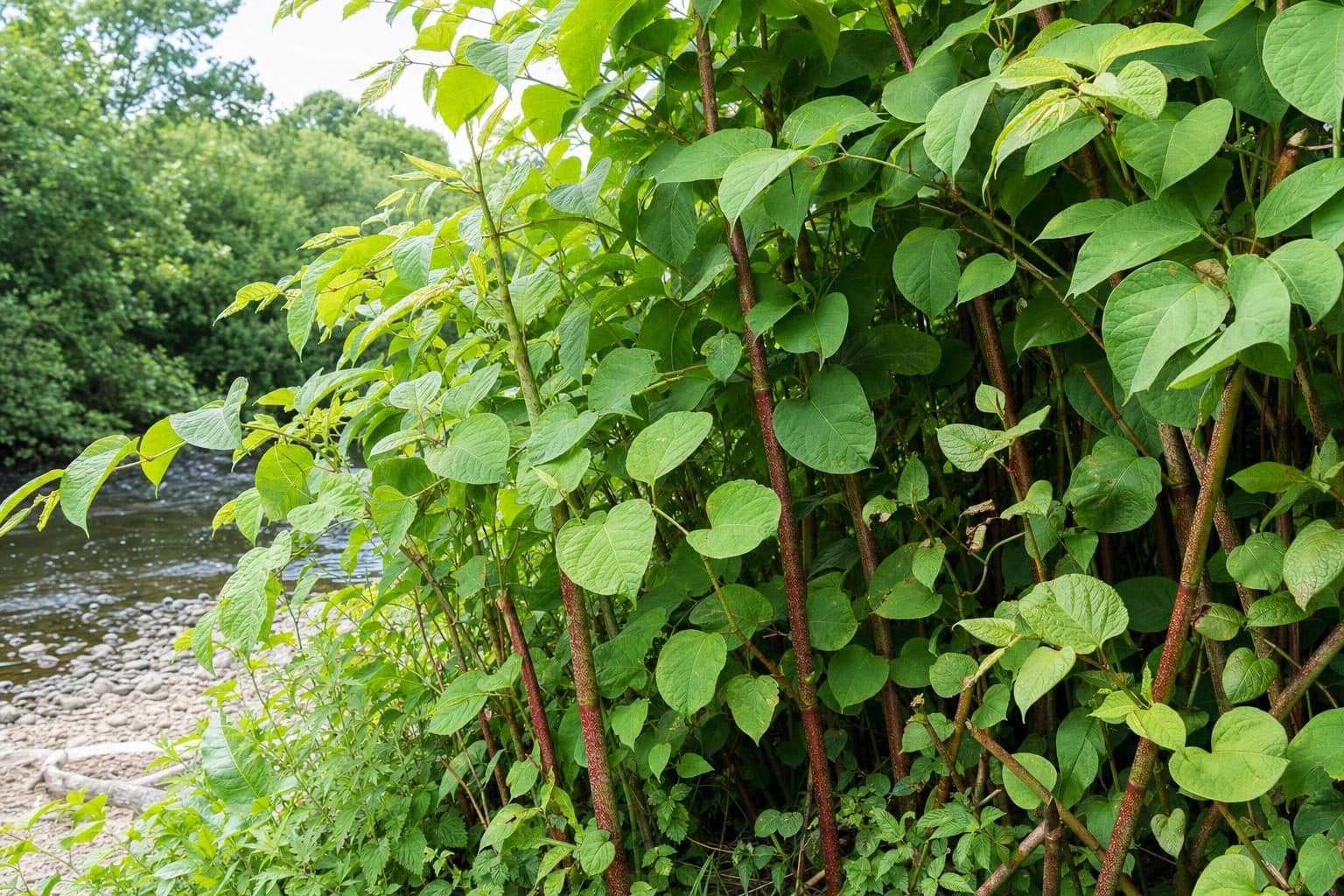
Few phrases derail a property sale faster than "Japanese knotweed". But the legal position is widely misunderstood, and knotweed is only one of several invasive plants Dorset landowners are quietly responsible for.
What the law actually says
- It is not illegal to have knotweed on your land.
- It is an offence to cause it to spread into the wild (Wildlife & Countryside Act 1981), and you can face civil claims or community protection notices if you let it spread to neighbours.
- Cut material and contaminated soil are controlled waste, they can only leave site to licensed facilities, with documentation.
Why DIY makes it worse
Knotweed regenerates from rhizome fragments smaller than a fingernail. Strimming it, digging it, or moving soil around a site is how a patch becomes an infestation, and how clean areas of a development site become contaminated ones. Flailing a balsam-lined riverbank in seed season achieves the same in a single afternoon.
What treatment really looks like
For knotweed: a managed programme of correctly timed herbicide applications by certified operators over two to three seasons, with monitoring afterwards, or, on development sites where the programme doesn't fit the build, excavation and on-site burial/removal under a management plan. Rhododendron and laurel respond to cut-and-treat done properly; balsam to persistent, well-timed pulling before seed.
Heartwood's PA1/PA6-certified team delivers invasive species programmes across Dorset with the treatment records, waste documentation and management plans that sales, lenders and planning conditions demand. See ecological land management or call 01929 480 995.